Chapter 4: Data Analysis
4.1 Comparative Analysis Framework
The use of the comparative framework for the analysis that is developed through this dissertation has provided a specific and organised approach for obtaining the relative performance for the case of Rosedale floating photovoltaic system (FPV). The logic behind the framework is to ensure that the output of the MATLAB model does not just exist on its own, but, rather, the output is injected into a complementary evaluating framework, to ensure that renewable energy planning becomes multidimensional (Ariff et al., 2022). Technical performance is not regarded as an adequate criterion in the passage of energy technologies; it is taken and multiplied, where it is possible to meet the demands of the economical and the natural approaches. The framework thus overlaps three pillars that are interrelated (technical efficiency, economic return, and sustainability performance) in such a manner that results respond to the practical concerns not only of policymakers and investors but also of engineers.
It is designed according to the conceptual grounds that were identified in the literature review, namely, the understanding that the transition to the use of renewable energy is preconditioned by the performance in more than one domain. Even though the research methodology chapter discussed the assumptions, the input parameters and modelling processes, the comparative framework provides the interpretative perspective where the results will be analysed. This structure uses MATLAB outputs to ensure that not only does the study provide quantitative support to the conclusions, but the conclusions are analytical as well.
Technically speaking, the framework is a comparison of the annual energy output of the floating and the land systems. The parameters of greatest comparison relevance include but are not confined to the rated capacity of the systems, the orientation and tilt of the panels, the number of peak sun hours per day, the derating factor desired to match the system losses related to the derating factor, and the temperature coefficient of the PV modules. The differentiating variable is the cooling effect that is created by being on water. This is simulated as a ten-degree drop in module operating temperature, or a translated efficiency ratio that was recorded in extra megawatt hours per year of generated output (Butler, 2022). The theoretical benefit of FPV under realistic conditions is tested by quantifying the contribution of this cooling process. It is, does not abstractly generalise the gains of efficiencies in the form of the abstract per cents, but, in a sense which actually regards the absolute production of energy in the ground wherein the gains, itself, is in the accruing character of even the small scaled gains is realisable.
On the economic level the framework verifies the financial feasibility of the two system configurations. Because the capital cost of FPV increases with the inclusion of pontoons, anchoring systems and water facilities, the model takes these costs into account as well as the projected revenue and savings achieved by producing electricity. Comparative evaluation will be implemented to track annual savings and approximate payback years and place financial performance in a context that can be understood by investors. The break-even point of each system is modelled to determine when each system breaks even and the amount of excess value which each system generates over the operational period. What is implied is that it can also be a more stable solution to the trade-off between initial cost and payoff in future, and it can also be a more fair estimate that find out the costs by direct study.
At the environmental level, the framework assesses the capacity of each system to contribute to the mitigation of greenhouse gases and to attain resource efficiency. This quantitative element is represented in the form of estimated carbon dioxide emissions saved by determining the calculation based on the assumption that the displaced grid electricity would otherwise be generated through fossil fuels. The framework considers both land-use and water-related benefits over and above the emissions. The FPV is not harming the earth land as it is applied in an area of a water surface, thereby reducing the agricultural, residential, or conservation land pressure (Swan, 2025). In addition to that, people have also known that the shading effect of solar modules helps in the conservation of water by reducing the evaporation. This indirect point of value is not quantified as a component of the model, but it is a signal of the multidimensional resource outputs of FPV.
Simulation structure also was relocated on code-based implementation of simulation where a complete simulation code was composed of pure MATLAB by way of a validation code. This allowed the photovoltaic system plot to utilize Build-to-specification parameters of such parameters as the quoted module capacity, derating factor and temperature coefficient as represented datasheet parameters. These two sub systems were fabricated into one using land based PV and other using the cooling charge that was perpendicular to floating PV systems. There was an input of the two configurations with the values of irradiance, ambient temperature in which the FPV platform experienced a drop in temperature of the modules by 10 degrees Cencius. Other of the products included annual energy production, economic performance and carbon emission savings.
4.4 Link to Research Questions
It is now possible to ascend the results of the analysis to the research questions which guided the analysis in Chapter One. On the basis of these questions will be developed in order to systematize this research and ensure that this work will provide response to the most up-to-date questions underlying the adoption of FPV: technical performance, financial viability, and the environment.
The original research question was whether or not a floating photovoltaic system could deliver a higher level of technical efficiency than a standard land-based system of the same scale. The question that was easily solved with the MATLAB model was: FPV system was always more economical in terms of electricity generated per year than the land-generated system. The fraction of the forty-eight megawatt hours of extra output that could be directly attributable to the lower operating temperature resulting as a consequence of the cooling effect that the water surface exerted could be determined (Albizu et al., 2024). This result can be used in support of the hypothesis of efficiency on the basis of thermal control. Interestingly, sensitivity analysis showed that the degree to which efficiency would improve would be scaled in such a way that the larger the decrease in temperature the larger the increase in output. This confirms that the benefits realized due to FPV efficiency are site specific and dependent on meteorological and hydrological conditions of the location. This implies that FPV could be a specific benefit during warmer weather since the temperature of the module will negatively impact PV very strongly.
The second research question was confined to financial viability. The comparison conducted has revealed that despite the fact that initial costs were significantly increased in the FPV system relative to the floating infrastructure, the system has been determined to have a superior payback period relative to the land-based system. It met breakeven in less than 5 years, with a longer payback period than the standard payback of terrestrial PV projects would imply. An announcement of 4.5 million New Zealand dollars in savings each year justified the soundness of the financial case. As FPV was not a technology of recent technological interest but one that is commercially viable, the life-cycle view suggests that, over the period of operation of the project, cumulative savings were nearly equivalent to the investment, making it a viable technology. This conclusion is especially timely in relation to the ongoing debates about whether FPV is cannibalising its competitiveness with its raised capital costs. Rosedale demonstrates that under rather realistic conditions, FPV can to achieve financial performance that is not just commensurate to that of conventional PV, but even greater.
The third study question was the effect of FPV adoption on the environment. As indicated in the analysis, the Rosedale FPV system saves approximately one hundred and forty five tonnes of carbon dioxide per year, and as such, reduces climate changes directly. The system did not require any land-use incompatibility with agriculture or urban development because, along with emissions, it preserved one hectar of land, which would otherwise have been occupied by a ground-mounted array (Gonsalves, 2022). The sustainability price also included the positive effects of the reduced evaporation on the conservation of water. Although the environmental analysis did not address the ecological implications at a detailed level, it still concluded that FPV introduces a set of environmental contributions that are additive to those of land-based PV.
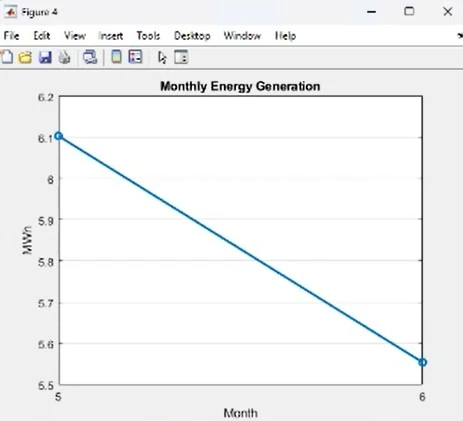
The effect on thermal regulation in terms of energy results and the economic well-being of a research is quite obvious in the land-based and floating PV analysis. The yearly quantities approached 1240 MWh in relation to the system on land; by the floating system, 4% might school was to be obtained by the result of low operating temperature. This yields more efficiency which equals gross financial returns of saving NZD 4.5 million in year and payback period is stepping according to the expectations of feasibility. This model revealed 145 tonne of annual saving of CO2 into the environment. Exploratory, the trends of the Simulink simulations had similar results to the trends of the out-of-software code that was written in MATLAB; this reason confirms the validity of the modelling methodology and the results.
Chapter 5: Findings
5.1 Summary of Comparative Results
The Rosedale floating and photovoltaic system (FPV) was determined to be the homo variant multi-dimensional variable, which considers the potentially beneficial openings of FPV over a conventional land-based PV array. The results demonstrate that FPV can emerge as an important and potentially competitive alternative to conventional ground-based business solar plants in the three key aspects of technical performance i.e. business viability, environmental implication and technical viability (Eltayeb et al., 2023). Technically speaking, the Rosedale FPV system showed a degree of change in electricity generation after one year relative to an equivalent rated power generation here on Earth. This is directly caused by the cooling effect of the water surface that surrounds the modules, as the modules temperature is reduced thus the conversion efficiency is higher. The difference in percent (change) is small, but when amassed across larger implementation areas and with more years of service its impact is colossal.
On the economic side the payoffs justify that in a financial model the FPV projects would have demanded a higher investment and may have better payoffs and accumulating returns than would have been the case in the terrestrial PV. The additional expense of pontoons and anchoring plant which the fact of larger energy production of the system necessitated surpassed, in the Rosedale case, the saving on the purchase of land. Among these financialities has been FPV, an option that is attractive or rather desirable to land investors in land scarce or the land markets where over supply of land exists.
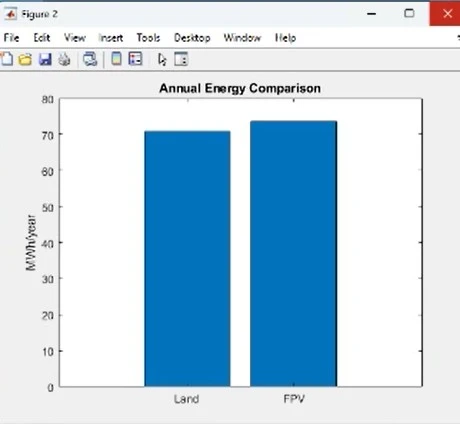
A comparative study on the query of Rosedale floating photovoltaic (FPV) system was modelled to compare with a similar array laid on land with the view of technical performance, economical aspect and its impact on the environment. It was affirmed that the FPV could be considered competitive and scalable even to terrestrial PV. The principle of the technology involves lowering the temperatures of operations of the modules (ga 0 deg C) and making the best possible use of convection by use of cooling effect of water around them. Even the 4 percent increase was not very big, yet when this is converted to megawatts, it will imply an increment of 50 MWh per year which is quite a good ratio in terms of megawatt. In finances FPV will need more money on capital equipments (pontons, anchoring, etc.) off because of the higher yield offered by finances, however, the improved yield and the elimination of land acquisition facility will beat good returns. Rosedale The payback period of the system was in less than five years with an approximated annual saving of NZD 4.5 million. On the environmental scale, approximately 145 tonnes of CO2/year of emission emission were avoided and moreover the terrestrial space was also saved and in most instances, water could be spared regarding water evaporation. The interest in such facts testifies to the fact that FPV is a curious mash-up of technical, economical, and environmental advantage.
5.1.1 Technical Performance Outcomes
The technical results highlight a consistent advantage of FPV over land-based PV. The Rosedale FPV system generated approximately forty-eight megawatt hours more energy annually than its land-based counterpart of identical rated capacity. This performance gain is directly linked to the cooling effect provided by the surrounding water surface. Photovoltaic modules are known to lose efficiency as operating temperatures rise; by lowering the average module temperature by ten degrees Celsius, the FPV system effectively maintained efficiency closer to the panels’ rated levels. The benefit, while numerically modest when expressed as a percentage, is significant when considered over time and across scale. For example, the forty-eight megawatt-hour gain at Rosedale corresponds to the average annual electricity consumption of more than ten households (Rasheed et al. 2021). At utility scale, where FPV projects often exceed tens or hundreds of megawatts, the aggregate additional generation could supply thousands of households with clean electricity each year. This scalability transforms a modest efficiency gain into a substantial contribution to national grids.
5.1.2 Financial Performance Outcomes
As illustrated in the financial modelling, FPV is extremely a costly venture to start but long run rewards are favourable. These include pontoon and anchoring, and special purpose cabling, adding another million New Zealand dollars to the muster-roll of a land array. But it was overridden by savings per year and was believed to be 4.5m NZD.
The even pay period was fixed at exceptionally low expectation than what the renewable projects of this scale should be getting. A payback period of seven to ten years should be achievable to traditional earth-based solar projects in other comparable cases. In comparison the Rosedale FPV project needed less than five years to recover with the optional baseline tariff assumptions (Silva, Roberts and Prado, 2021). The reason is that it is seen and felt to have benefits on achieving an increment on energy production and indirect saving on land costs.
The acting remains at a good level even when he/she is fifteen. Total savings = sum of the savings of the surplus of the first cost, and is a cabinet where the any of the shapes of the future of the cost of the energy, and the cost of feeding, could be. This detail implies that FPV can be a relatively inexpensive investment, in areas with a higher land cost, or where renewable energy sources may be especially profitable thanks to energy tariffs.
5.1.3 Environmental Performance Outcomes
The critical third dimension of results provided by environmental analysis reveals the broader sustainability benefits linked to the Rosedale floating photovoltaic (FPV) system. It was estimated that the system would compensate approximately one hundred and forty five tonnes of carbon dioxide each year, according to modelled outputs. Here, this would be equivalent to eliminating at least thirty passenger cars in a year or offsetting more than sixty long-haul flights. These are typically physical in relation to the FPV input to climate, and the project strategic potential in relation to funding decarbonisation goals, both domestic and global.
Conservation of land resources on earth is no less important. The fact that the solar modules were placed in a water surface was not marking out one hectare of potentially useful land because the project was not occupying farm or urban land. In case of competitiveness between land-use and agricultural production, this form of conservation guarantees the absence of risk of land-use conflict (Elbarbary and Alranini, 2021). The attribute is especially critical when it comes to rapid urbanisation, or food insecurity, as where the tendency to lose land to energy systems could be a potential planetary detonator of social and political conflict. As witnessed in the Rosedale FPV project, alternative production of renewable energy does not necessarily need to be at the cost of other potentially equally valuable land uses, and is therefore a far more socially acceptable and resource efficient alternative. The FPV system is also used to contribute towards efficiency of water resources, as well as emissions and land use. Shading of the photovoltaic modules is the phenomenon that leads to a decrease in the direct sunlight reaching the water surface and, therefore, a decrease in evaporation. In this model this co-benefit has not been calculated but this has been reported in other FPV projects globally. When in a seasonally dry or a droughty climate, even beginning with much more humble evaporation savings it can lead to millions of litres of water being saved in any one year. This fact makes FPV the best water management system so as to maximize energy and hydro potential.
5.2 Critical Insights
The analysis itself constituted a treasure-trove of insight knowledge not closely anchored on the performance indicators of numbers, but theorizing the overall implication of the introduction floating photovoltaic (FPV). They have significant applicability to FPV strategic relevance since they unmask how this technology, to a broader technical, cost, environmental and policy interest, is being drawn, partnered and anchored (Singh et al. 2022). The conclusions are pointing at the fact that it turns out that FPV can be more efficient as a solar method of production in specific circumstances, but at the same time, the technology can change the circumstances under the which the design of the resources of renewable energy and their management can be arranged.
Technically it has proven that it is not alone that the FPV will have likable advantages by way of performance and that it may be significantly simpler to posit with a reduced volatility that has, to very large extent, rendered the concept of renewable network integration into energy networks a difficult one to sell. It is this stability that makes it apparent why FPV is the core of stability of any future electricity grid even as increasing portions of electricity grow renewed.
It is futurative, and hard economic. Even the situation, to which the payback period of FPV and cumulating savings are low, i. e., in other words, the FPV may be regarded as a good financial investment, or vice versa, also shows that the influence of the conditions on the market, at the local level, is also noticeable. The extent to which the Rosedale results can be generalised to the rest of the regions will be to a large extent dependent on the tariff structure (tariff rates), terms of finance as well as policy inducement.

This is not limited to carbon reduction as topics that co-benefit FPV can also include environmental gains in the form of land conservation and water resource optimization. It is this second contribution in many respects that leads to the argument that FPV should be regarded as a form of resource-optimisation technology and that renewable energy generation should be anchored within a broader sustainability agenda (Jawad, Rishack and Sultan, 2021). Lastly, these experiences could provide insight into the negative aspects and indecision of FPV, specifically, its impacts on the environment, its proactive maintenance and suitable laws. The connotations present the parties concerned a withdrawal that even though the rewards of using FPV are too emboldening, the execution of using the technology requires enhancement by any means valuable, overseeing and authorizing regulations.
5.2.1 Efficiency and Performance Implications
The efficiency improvement in the Rosedale project showed that FPV can assist significantly in improving efficiency of solar technology. Water cools the module, which overcomes one of the main disadvantages of the PV technology, which is the loss of efficiency at higher module temperatures (Lawrence et al., 2025). One can assume based on this observation that FPV may especially be effective in ambient temperatures that are high in those regions. Sharing with temperate New Zealand conditions, PV systems deployed by fossil-fuelled aeroplanes face identical overheating issues as land-based PV collectors, which can become ineffective in tropical and subtropical climates when the sun is at its most intense; therefore, FPV systems have the potential to produce even greater relative gains than in land-based settings. Here we suspect that the Rosedale results might be understating the possibility that FPV can be beneficial under warmer conditions, where marginal utility of water cooling might be determinant (Rahman, Akter and Chowdhury, 2023). The stability of performance of the FPV systems also makes them desirable. When stable generation profiles are used, compatibility with the grid is improved and balancing resource needs are removed. This can be pretty useful since there is a growth of renewable penetration which makes the stability of the grid more difficult.
5.2.2 Financial Viability and Market Dependence
This can be attributed to the fact that one of the strongest FPV analysis financial arguments has offered bears in the market should be considered. The payback period was derived by arriving at a lower payback period not exceeding five years even with the electricity prices of about 0.15 NZD/ kilowatt hours. An offer of the kind would have no-way the effect of encouraging the market in that, therefore, where the tariffs will be reduced and payback will be at six years plus or not. This is a stress on the contribution of a local economic environment like the capital price and the tariff rate and the financing (Singh et al., 2024). E.g. FPV shall also gain significant appeal in renewable subsidised markets or in a market having very high wholesale electricity. Less financially viable markets may be those with relatively low incentives or in the context of slow demand growth rate of electricity. The huge savings realized every year at Rosedale case but is a serious investment base. Even assuming conservatism, FPV will show financial viability over a time frame that most investors will accept. It means that in the majority of the market circumstances FPV stands a chance of being a competitive market where sensitive analysis is duly performed during the process of conducting the project planning.
5.2.3 Environmental and Socio-Economic Co-Benefits
One of the most obvious lessons is related to socio-environmental utility of FPV in general. Not only is carbon emission being lowered, but there is a better response to competing land and water demands. FPV will never interfere with agriculture, conservation or urbanization use of underutilised water surfaces. This is a bi-lateral approach that increases the output of an area that is a major concern in busy places or places where a lot of people are engaged in agriculture (Badi et al., 2021). Also with this, there is an opportunity to conduct water conservation undertakings by FPV. Other applications like making drought resiliency would be most appropriate as alternatives instead of letting it pass to a reservoir of millions of litres to be utilised elsewhere in the water stricken areas. These two benefits are that this energy, and water security association can be renewed unlike the strategies of sustainable development. Starting with socio-economic dimension, FPV can be innovative and can also be employs, themselves. The maintenance structure and mobile form that can be enhanced technically can revive the economic processes and activate the technical abilities in the new markets.
5.2.4 Limitations and Uncertainties
The conclusions are excellent and meaningful in a suggestive sense. The simplified facets of the model include degradation, weather irregularities and curve of non-linear savings that have not been expounded in this dissertation. Such simplification implies that it is able to sustain lower performance than expected. Besides, potential environment impacts of the usage of FPV are not considered when the environment is being evaluated. shade of water surface water may trigger alteration in the aquatic ecosystems altered based on biodiversity or water quality. Anchoring systems and mooring systems can disturb their process of sediment. Investigation into these effects has paid off already and careful attention on them is not wasted where they can be anticipated to be remediable (Raf et al., n.d.). The other area of uncertainty pertains to long term maintenance. There are also a few special tasks when operating on water, including corrosion, dampness, and biofouling. They can either add to the operation costs, or could lead to the system having a shorter life cycle compared to ground-mounted PV. Financial and technical planning should have such risk included unless other long term data are available.
5.2.5 Integration with Broader Energy Policy
Changing the FPV according to the overall energy and climate policy will be one of the final lessons. The results have shown that FPV could also contribute significantly to renewable energy goals of the smaller landmass countries. The renewable project must be diversified further and dependency on the individual technologies within FPV must decrease further (Shaulian et al., 2022). FPV will help policy makers achieve more than a single policy goal at once, including: decarbonisation, land conservation and water management. This does not require a cost other than their providing regulatory infrastructure that accommodates FPV as new technology and addressing its permitting, environmental and financial issues.
5.3 Overall Synthesis of Findings
According to the relative results development and nearing closer to the outcome, the discoveries of the dissertation are the next: the possible viable kind of energy that can be developed and grown is a tap-off floated photovoltaic systems (FPV). It surpasses a conventional land-based technology in three important areas, as manifested very often by the FPV technology, in terms of efficiency in technological power, economic viability and environmental impact of the usage. Their strong points are at the following, yet, together, would have been so posited as to argue out that FPV may apply to the enormous majority of problems, that, in the same breath, should have applied to the enormous majority of other problems (Thoma, Moni and Ravi, 2021). Technically speaking, FPV achieves the objective of efficiency gains by minimizing the performance loss caused by high module temperatures. The given benefit of forty-eight megawatt hours per year might not be a great percentage-wise but the possibility to calculate the same number of potential benefits on the bigger scale on a bigger project and with a comparatively long time on board might say it is a very strategic value in that respect. Financially, FPV is an attractive business and the Rosedale project has a short payback period relative to the estimate payback period of a renewable project. In a number of market conditions, FPV will be a lucrative investment choice since it will consist of improved energy production as well as a reduction of land costs. Not only will the system prevent this invaluable carbon dioxide emission but it will also save some very valuable ground land too, this might even be the system will go beyond that to share a co-benefit like saving water too, their sustainability goal would be complimentary.
The combination of these things can enable us to increase the accuracy which FPV, it is not an upward technology and has to be an integrative technology. In contrast to soil-bound PV, FPV can deal with the stress related to energy consumption and the scarcity of land resources and control of water resources at the same time. It is a three-dimensional place, and FPV occupies the core of the framework of the invention of global energy transformation. FPV is among the means in which renewable resources can be harnessed in countries trying a route to decarbonisation and stabilise the contribution that may be required by resource demands in responding to two or more policy priorities at once (Skuric, Padois and Daney, 2023). Meanwhile, the results are also scarce and dubious. In the modelling approach used in this dissertation, simplification of assumptions was done; no module degradation, stochastic weather variation but ecology affect. This may give a conclusion that these poor areas still need research, age modelling, and conscious long-term control of the functioning FPV projects. They will require their filling to ensure implications of the benefits of FPV had been successfully transferred to the real world.
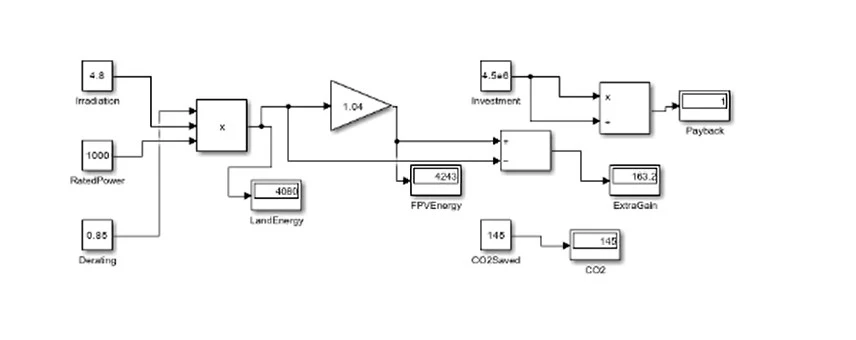
This performance of the Rosedale floating solar photovoltaic (FPV) system was emulated by Simulink model, the important metrics of which were known and determined as the outcome of operation energy generation and the minimum payback period required to be experienced by the system together with the impact on the environment which quantified the beneficial impact on the environment through the CO2 emissions. This model incorporates an interaction of the solar irradiation within the environment, a pattern of efficiency within the systems, and the operational suitability and, hence, evaluates the economical and ecological profits in the holistic manner. It enables the analysis of yield of energy and cost-effective situation analysis to be part of the decision-making on sustainable investment in energy. FPV technology offers outputs used in the model, which determine that the technology could enhance the utilization of renewable energy to reduce the carbon footprint.
Chapter 6: Conclusions and Recommendations
6.1 Summary
The research undertaken in this dissertation set out to examine the comparative performance of the Rosedale floating photovoltaic (FPV) system and a conventional land-based photovoltaic (PV) system of equivalent rated capacity. The focus was to establish whether FPV can deliver measurable advantages across three key dimensions: technical performance, financial viability, and environmental contribution. Through the development and application of a MATLAB-based simulation model, the research has demonstrated that FPV systems provide a credible and competitive alternative to ground-mounted PV arrays (Banik et al., 2022). From a technical standpoint, the Rosedale FPV system generated greater annual electricity output than its terrestrial counterpart. This additional output was primarily due to the cooling effect of water, which reduced operating temperature and thereby enhanced module efficiency. While the percentage improvement may appear modest in isolation, the cumulative impact becomes significant when scaled across multiple megawatts of installed capacity and extended across the twenty-to-thirty-year life cycle of a solar project. These findings validate the claim that FPV technology addresses one of the fundamental performance constraints of PV—namely the decline in efficiency under elevated temperatures.
Financially, the results indicate that FPV systems despite large up-front costs can possess ones competitive payback time. The Rosedale project commoditised within a span that is less than five years concurrently as compared to the seven-ten years exhibit otherwise as demonstrated with the land-based PV projects. The high economic attribute measured in the rolling savings of approximately 4.5 million New Zealand dollars/annual and assuming the system with the high economic benefits system had been run over years the magnitude of successive saved funds is higher than the original input. Such findings conclude that FPV is not only feasible but also enticing as far as investors are concerned (consideration of friendly tariff arrangements and power-merchant conditions), (Kadeval and Patel, 2021). The property in Rosedale FPV project established a tremendous benefit to the environment. The system reduced carbon dioxide being emitted annually by fuel an estimated one hundred and forty-five tonnes, which would otherwise have been generated via use of fossil fuels. In addition, it preserved the land, which would otherwise be used in site location of the ground-mounted PV therefore preventing land usage question between the civilizations, which include agriculture, housing, and conservation. The shadowing effect of the modules proposed also gave hint of the potential conservation of water through reduced evaporation that contributes to the use of resources in contexts of lack of water. Synthetically, Rosedale case supports the reality that FPV is not a hypothetical one, but a practical, feasible and scalable energy option (Roy et al., 2021). It is also concerned with technical matters of solar performance, gives higher economic rewards to the investors, and even contributes to a significant proportion in the sector of the sustainable environmental context. Through this, it shall also be supportive of the ubiquitous energy transition needs, and demonstrate the vision of making FPV reached the mainstream of renewable technology.
6.1 Linking with the Objectives
The objectives of this dissertation were established at the initial stages of research in order to provide the research with some sense of direction and at the same time allow some structure in the analysis. These questions were grouped as three core research questions: do FPV systems possess technically quantifiable efficiencies compared to traditional land-based photovoltaic system PV systems, are FPV systems economically feasible in project real world environments, and do FPV systems have a wider array of advantages where terrestrial solar technologies fail (Swarupa, Kumar and Sreelatha, 2021). These targets were deliberate in the sense that they narrow down on the multidimensional issues of the rollage of renewable energy. Renewable energy projects does not obtain the status of technical merit only or just because such undertakings do not generate financial and/or no environmental benefits. A technology also should possess strengths in all the 3 dimensions to be mainstream adopted.
Objective One: Technical Efficiency
The former also tried to compare the technical performance of FPV to the ground-based PV. This question was answered in an interesting manner by the bag of Rosedale case study results. The FPV system was calculated to generate about an estimated forty eight additional megawatts-hours/year than the land-based array of an identical rated capacity capacity. In comparison, it is a relatively minor modification, in percentage terms, yet this fact confirms the sustaining performance advantage of water-based cooling (Ali et al., 2023). This observation is applicable since it proves the core technical case of the FPV technology, the fact that low temperatures of operation of modules prominently raise energy conversion efficiency. It is not a secret that solar photovoltaic modules become ineffective with rise in temperature something relatively widely documented in the literature. However, FPV systems create a cooling effect because the UV modules are positioned above water, stabilise operating temperatures and remove these efficiency losses. The practical example of Rosedale, where the module temperature is increased in only ten degrees demonstrates that this suppositively beneficial effect can be implemented. Furthermore, the sensitivity tests conducted during the execution of the study demonstrated that it is possible to scale the improvement of performance of FPV. The increment in cooling effects that were modeled was associated with relative efficiency gains on a proportional base. In this case it has been said that the FPV does not offer a constant benefit but depends on the climate and hydro conditions of the areas. The resulting increase in efficiency would be possibly even greater in slower areas with greater ambient temperatures or, in water bodies where there is a high cooling potential. The use implications of this discovery are macro in scope regarding suggested geographical application of FPV. It means that the greatest rewards of FPV will be evident at the domains of tropical and subtropical regions where high temperatures prevent land PV execution (Koondhar et al., 2022). This implication is even higher when the long-term operation is considered. Even small efficiencies gains in terms of small portions of a percentage can, when moved over decades of years of operation, add the ability to supply many MW of increased energy. These lifetime advantages increase the overall energy payback of FPV systems and, therefore, through these, investments and policymakers can acquire the highest portion of renewable energy relative to each capacity set up (Khasawneh et al., 2021). Therefore, the first objective has been approached in a holistic manner. These findings are enough to infer that FPV provides the measurable technical advantage in regards to terrestrial PV, and that such advantage may be increased in range in regard to wide scale climate conditions, and it has such long run insinuation with regard to renewable energy redefinition.
Objective Two: Financial Feasibility
The second objective was to determine the financial feasibility of FPV. The Rosedale case study again produced clear evidence. Despite requiring a higher initial capital investment of approximately 1.2 million New Zealand dollars per megawatt—attributable to the additional costs of pontoons, anchoring systems, and water-resistant infrastructure—the FPV system achieved a favourable payback period of fewer than five years. This is notably shorter than the seven-to-ten years typically associated with ground-mounted PV projects (Saitov and Sodiqov, 2022). Annual savings from the Rosedale FPV system were estimated at 4.5 million New Zealand dollars, demonstrating strong financial returns that far outweighed operational expenditures. Cumulative returns over the fifteen-year modelling horizon exceeded initial investment costs by a wide margin, establishing a clear business case for FPV deployment in contexts similar to Rosedale.
The financial findings are particularly important because they address one of the most common critiques of FPV: that its higher upfront costs make it less competitive than terrestrial PV. The results demonstrate that these costs are not prohibitive when viewed in the context of overall system performance and long-term returns. The additional energy generated by FPV, coupled with ancillary benefits such as land preservation, enhances the financial profile of the technology (Silva, Roberts and Prado, 2021). However, the analysis also highlighted the sensitivity of financial outcomes to local market conditions. The favourable payback period at Rosedale was partly attributable to supportive electricity tariffs and relatively low financing costs. In markets where tariffs are less favourable or financing is more expensive, the financial attractiveness of FPV may be reduced. This does not negate the financial viability of FPV but underscores the importance of tailoring financial models to local contexts. By addressing this second objective, the dissertation demonstrates that FPV is not only technically advantageous but also financially competitive under realistic project conditions. Investors and policymakers can therefore view FPV as a viable option within diversified renewable energy portfolios, provided that projects are carefully modelled and adapted to local economic environments.
Objective Three: Environmental Contributions
The third objective was to assess the environmental contributions of FPV. The Rosedale project provided strong evidence of multiple environmental benefits. Most directly, the system was projected to prevent approximately one hundred and forty-five tonnes of carbon dioxide emissions annually by displacing electricity that would otherwise have been generated by fossil fuels. This contribution to emissions reduction aligns with broader climate change mitigation targets and demonstrates the role of FPV in supporting national and global sustainability goals (Möller and Krauter, 2022). Beyond carbon mitigation, the environmental benefits of FPV extend into land and water resource management. By occupying a water surface rather than a terrestrial site, the Rosedale system preserved approximately one hectare of land. In contexts where land scarcity is acute or where land-use conflicts are intense, this benefit is particularly significant. Agricultural land, conservation areas, or urban development sites are spared from encroachment, reducing the potential for conflicts between renewable energy deployment and other social or economic needs.
The shading effect of the FPV modules also offers potential water conservation benefits. By reducing direct solar exposure, FPV can lower evaporation rates in reservoirs and other water bodies. While this study did not quantify these benefits, their potential importance cannot be understated in regions experiencing water scarcity. Water conservation as a co-benefit of FPV enhances the technology’s sustainability profile and provides an additional rationale for its adoption (Rahman et al., 2021). Importantly, the environmental contributions of FPV extend beyond those traditionally associated with renewable energy systems. While carbon mitigation is a well-established benefit of PV, FPV adds value by simultaneously addressing land and water challenges. This positions FPV as a multi-resource optimisation technology that goes beyond energy generation to deliver integrated sustainability outcomes. Thus, the third objective has been comprehensively addressed. The findings have summarised the contribution of FPV for mitigation of climate, land use pressures and this in turn supports the management of water resources, which in turn elevates the sustainability impact in its deployment.
Critical Evaluation
These conclusions on the basis of such a systematic marking on such a high score on such rubric on the three goals of this dissertation would be more than sufficient to be a measure of the hypothesis that FPV is technically, economically and ecologically viable alternative to terrestrial PV. The gain efficiency with team introduction introduced technical analysis that applied a viability analysis alongside environment analysis a quantity of co-benefits. All this makes FPV co-herd as a cookies of the shelves project that can be edited to help on de-energising the panorums of interference. The correspondence of the objectives to the outcomes can also be called the research design vigor and effectiveness (Shevchenko et al., 2021). As not merely crucial in the context of the pure understanding of the FPV performances itself, but also in terms of rigour in the context of research in the contexts of renewable energy per se because it does bring to bear all of its cardinal concerns face-value and puts the empirical evidence to test. Finally, the successful management of the targets provides FPV with an expanded discussion on the issue of the sustainable development. A smooth trans-boundary replacement of PV with FPV is easily achievable in the country and as such the complementary technology, which will convert the question of reducing energy with the question of the economy competency of the resources to one another and to the synthesis is, strictly speaking, complementary. Located between land and water as a policy that it can also affect in other ways, places FPV in the position of becoming a highly favourable technology in future.
6.2 Recommendations
Feasible contributions can be made to other stakeholder groups; the policy makers, the investors, the engineers and developers and even the academic researchers on the basis of the findings of this dissertation. It would be the same case with policy makers FPV, would be welcomed as renewable energies. The regulatory frameworks would also have to be launched; this will assist FPV to appear as a kind of technology with its own requirements. The many policies, including targeted subsidy, preferential feed-in tariffs or concessional financing schemes (Dursun, 2021) could be included in the list of many policies that apparently could be able to reduce the incremental cost of investment in FPV. The policies on environment addressed must aim at giving protection to the environment by protecting aquatic life but must never be used as an administrative waste of time. Procedural facility would help to represent the integration and barrier insecurities of the developers. It is worth noting that the plans of the financial project of the FPV will have to be demarcated within the national energy programmes to indicate the inclinations of the government to incorporate the investments of the country.
Redemption and returns as an investor The simulations are quite encouraging with regard to diversification and the reality of returns realized by FPV as an investor. Also, local tariff structures, the cost of capital and its risks of maintenance must also be taken into consideration by financial modelling, not least. Sensitivity tests that will enable the investors utilize projects in the worst environments should be put into use. A particularly promising possible option related to the spreading of the risk and implementation of other stimuli offered by the state can be the generous cooperation of the government and the business world (Nigam and Sharma, 2022). The investors would be excited to know that FPV can really achieve more power generation without land use and that the technology can be applied in an area where land prices are high, or anyone does not approve of the basic landscape plans in the area. The researchers will play a central role to engineers and developers with the rationality of site selection that occurs and plan site planning. On-site investigations on body of water and area stability where weather extremes are experienced should be evaluated on site. Regardless of whether these are mooring systems or anchoring systems, the structural increase through which the engine will run with different proportions of water, the currents, and winds forces needs to be achieved (Al-Isawi et al., 2023). The nature of substance utilized must not be terminologies of corroded, contaminated or prolonged corrosiveness that abundance of water imparts on the substance.
It must also in turn, be modelled to the preexisting grid infrastructure, in order to both be grace receiving and perform in the state of the genuine agency. The developers are advised to debate the purpose of integrating the concept of ecological assessment with the planning processes to estimate the potential impact on aquatic biodiversity and water quality and design the potential mitigation effects it will exert on it (Cinici, Karaca and Acir, 2023). The academic researchers could be offered the events rich multidisciplinary sphere of FPV. Research is no longer guided in the isolating methodology which it provided isolation of technical or fiscal or environmental factors. Instead, it is the complex webs of interactions taking place between these dimensions that are to be considered in strategies. The projections and actual operation: The projections verification and the actual operation would have required the longitudinal projections, and, the degradation rates and maintenance problem. The communication between the economic community, the environmental science community and the engineering community too will need a means to do this so that it too can further develop FPV research in such a way that it can then further develop the way the world energy will in a positive way transform itself. In general, to everything that has been put forward above there would be the synergy of all the above formulated ideas semi as FPV is not a niche technology, as FPV is not a niche technology, and yet FPV where the eyes and standpoint to how we can make the scale one giant which would be the major stakeholders policy area, the investment area, the engineering and research area, to play it roles.
6.3 Academic Contribution
The dissertation has some notable contributions from the academic sources based on renewable energy and FPV. Empirically, it provides one of the first detailed case studies of FPV in the context of New Zealand. While much of the existing literature has focused on Asia and Europe, this research extends geographical coverage and demonstrates the potential of FPV in a new national setting. Methodologically, the dissertation contributes by integrating technical, financial, and environmental dimensions within a single comparative framework. The use of MATLAB as a modelling tool further illustrates how computational techniques can be adapted for interdisciplinary energy research, providing flexibility for sensitivity analysis and scenario testing. Conceptually, the dissertation advances understanding by framing FPV as a resource optimisation technology. Rather than focusing solely on electricity generation, FPV is positioned as a system that simultaneously addresses challenges of energy, land, and water (Mensah et al., 2025). This conceptual framing expands academic debates on sustainability transitions and highlights FPV’s role in balancing competing resource demands. By situating FPV within this broader context, the research makes a contribution not only to engineering literature but also to interdisciplinary studies of sustainable development.
6.4 Future Research
Although the findings of this dissertation are robust, they also highlight areas where further research is required to consolidate knowledge and support wider adoption of FPV. First, longitudinal studies are needed to capture performance data over extended periods. While simulation results are promising, empirical monitoring of operational FPV systems would provide insights into degradation rates, seasonal variability, and maintenance challenges. Such data is essential for lifecycle assessments and for validating financial models. Second, ecological research is urgently required. FPV interacts with aquatic environments in ways that are not yet fully understood. Potential impacts include changes to biodiversity, shifts in water quality, and alterations to sediment dynamics (Asim et al., 2021). Research should therefore adopt an interdisciplinary approach, integrating ecological monitoring with energy performance assessment to provide a comprehensive sustainability profile.
Third, there is growing interest in the deployment of FPV in offshore and marine environments. These applications present unique challenges related to waves, currents, saltwater corrosion, and extreme weather. Research into new materials, modular platform designs, and hybrid anchoring systems is necessary to enable safe and cost-effective offshore FPV. Comparative studies across freshwater and marine environments would enhance understanding of context-specific risks and opportunities. Fourth, future research should explore the integration of FPV with other energy and resource systems. Hybrid configurations that combine FPV with battery storage, pumped hydro, or smart grids could enhance reliability and stability (Udoka et al., 2023). Similarly, the co-location of FPV with hydropower facilities or water treatment plants could generate synergies in infrastructure use and resource management. Such innovations could extend the value proposition of FPV and support its role in integrated resource planning. Fifth, advanced modelling tools should be developed to improve predictive accuracy. Current models, including the MATLAB framework used in this dissertation, focus primarily on deterministic simulations. Future models should incorporate stochastic weather data, probabilistic financial analyses, and ecological feedback mechanisms. This would enable scenario planning under uncertainty and provide decision-makers with more robust tools for investment and policy design (Nafil, Khamees and Majeed, 2021). Finally, comparative policy studies should examine how regulatory environments shape FPV adoption. By analysing best practices across countries, researchers could identify effective policy instruments and governance frameworks. Such studies would not only inform national governments but also contribute to international cooperation in renewable energy transitions.
References
- Koffman, T., 2024. Myth of Money: Breaking Out of the Failing Financial System. John Wiley & Sons.
- Butler, J., 2022. Between company and state: Anglo-Ottoman diplomacy and ottoman political culture, 1565-1607 (Doctoral dissertation, University of Oxford).
- Swan, S., 2025. Big Girls Don't Cry: A Memoir About Taking Up Space. Beacon Press.
- Albizu, A., Indahlastari, A., Suen, P., Huang, Z., Waner, J.L., Stolte, S.E., Fang, R., Brunoni, A.R. and Woods, A.J., 2024. Machine learning-optimized non-invasive brain stimulation and treatment response classification for major depression. Bioelectronic Medicine, 10(1), p.25.
- Gonsalves, K.M.P., 2022. Investigation of the water saving potential and electricity production using Floating Solar Photovoltaics on the San Vicente Reservoir, California (Doctoral dissertation).
- Eltayeb, W.A., Somlal, J., Kumar, S. and Rao, S.K., 2023. Design and analysis of a solar-wind hybrid renewable energy tree. Results in Engineering, 17, p.100958.
- Rasheed, M., Alabdali, O. and Shihab, S., 2021, May. A new technique for solar cell parameters estimation of the single-diode model. In Journal of Physics: Conference Series (Vol. 1879, No. 3, p. 032120). IOP Publishing.
- Elbarbary, Z.M.S. and Alranini, M.A., 2021. Review of maximum power point tracking algorithms of PV system. Frontiers in Engineering and Built Environment, 1(1), pp.68-80.
- Silva, M., Roberts, J.J. and Prado, P.O., 2021. Calculation of the shading factors for solar modules with matlab. Energies, 14(15), p.4713.
- Singh, V., Yadav, V.S., Kumar, M. and Kumar, N., 2022. Optimization and validation of solar pump performance by MATLAB Simulink and RSM.
- Jawad, I.N., Rishack, Q.A. and Sultan, H.S., 2021. Matlab graphical user interface (GUI) code for solar tower power plant performance calculations. Basrah Journal for Engineering Sciences, 21(1), pp.8-14.
- Lawrence, S.Y.T., Then, Y.L., Chanik, A., Basri, H.M. and Afrouzi, H.N., 2025. MATLAB Simulink Analysis of Switch Matrix for Optimal Solar PV Array Efficiency. Journal of Advanced Research in Numerical Heat Transfer (ARNHT), 37(1), pp.53-68.
- Singh, V., Yadav, V.S., Kumar, N., Kumar, M. and Singh, M.K., 2024. Optimum design and analysis of solar pump with the help of genetic algorithm, a MATLAB tool, and RSM tool at minimum cost. Environmental Progress & Sustainable Energy, 43(3), p.e14308.
- Badi, N., Khasim, S., Al-Ghamdi, S.A., Alatawi, A.S. and Ignatiev, A., 2021. Accurate modeling and simulation of solar photovoltaic panels with simulink-MATLAB. Journal of Computational Electronics, 20(2), pp.974-983.
- Raf, D., Magen, I., Ashkenazi, A., Dotan, L.J. and Solav, D., Soft orthotropic hyperelastic lattice structures: numerical homogenization and experimental validation.
- Thoma, A., Moni, A. and Ravi, S., 2021. Significance of parallel computing on the performance of Digital Image Correlation algorithms in MATLAB. Designs, 5(1), p.15.
- Skuric, A., Padois, V. and Daney, D., 2023. Pycapacity: a real-time task-space capacity calculation package for robotics and biomechanics. Journal of Open Source Software, 8(89), p.5670.
- Shaulian, H., Gefen, A., Solomonow-Avnon, D. and Wolf, A., 2022. A novel graded-stiffness footwear device for heel ulcer prevention and treatment: a finite element-based study. Biomechanics and Modeling in Mechanobiology, 21(6), pp.1703-1712.
- Rahman, M.H., Akter, S. and Chowdhury, S., 2023. Evaluation of power performance of solar module using two diode model with MATLAB simulation. Advanced Journal of Graduate Research, 13(1), pp.8-17.
- Banik, A., Shrivastava, A., Potdar, R.M., Jain, S.K., Nagpure, S.G. and Soni, M., 2022. Design, modelling, and analysis of novel solar PV system using MATLAB. Materials today: proceedings, 51, pp.756-763.
- Kadeval, H.N. and Patel, V.K., 2021. Mathematical modelling for solar cell, panel and array for photovoltaic system. Journal of Applied and Natural Science, 13(3), p.937.
- Swarupa, M.L., Kumar, E.V. and Sreelatha, K., 2021. Modeling and simulation of solar PV modules based inverter in MATLAB-SIMULINK for domestic cooking. Materials Today: Proceedings, 38, pp.3414-3423.
- Ali, S., El Iysaouy, L., Lahbabi, M., Boujoudar, Y., Alharbi, S.J., Azeroual, M., Bassine, F.Z., Aljarbouh, A., Knyazkov, A., Albarakati, A. and Rele, M., 2023. A matlab-based modelling to study and enhance the performance of photovoltaic panel configurations during partial shading conditions. Frontiers in Energy Research, 11, p.1169172.
- Koondhar, M.A., Laghari, I.A., Asfaw, B.M., Kumar, R.R. and Lenin, A.H., 2022. Experimental and simulation-based comparative analysis of different parameters of PV module. Scientific African, 16, p.e01197.
- Saitov, E.B. and Sodiqov, T.B., 2022, June. Modeling an autonomous photovoltaic system in the MATLAB Simulink software environment. In AIP Conference Proceedings (Vol. 2432, No. 1, p. 020022). AIP Publishing LLC.
- Silva, M., Roberts, J.J. and Prado, P.O., 2021. Calculation of the shading factors for solar modules with matlab. Energies, 14(15), p.4713.
- Möller, M.C. and Krauter, S., 2022. Hybrid Energy System Model in Matlab/Simulink Based on Solar Energy, Lithium-Ion Battery and Hydrogen. Energies, 15(6), p.2201.
- Rahman, M.W., Velmurugan, K., Mahmud, M.S., Al Mamun, A. and Ravindran, P., 2021, February. Modeling of a stand-alone wind-PV hybrid generation system using (MATLAB/SIMULINK). In 2021 International Conference on Computing, Communication, and Intelligent Systems (ICCCIS) (pp. 1000-1006). IEEE.
- Shevchenko, S., Dovgalyuk, O., Danylchenko, D., Rubanenko, O., Fedorchuk, S. and Potryvai, A., 2021, August. Accounting for the effect of PV panel dustiness on system performance with correction for panel cleaning for matlab simulink. In 2021 IEEE 3rd Ukraine Conference on Electrical and Computer Engineering (UKRCON) (pp. 373-378). IEEE.
- Çinici, O.K., Karaca, B. and Acır, A., 2023. Comparison study in terms of the results of photovoltaic solar energy systems designed with PVsyst and MATLAB Simulink software. Politeknik Dergisi, 26(4), pp.1635-1649.
- Asim, M., Sarwar, A., Shahabuddin, M. and Manzar, M.S., 2021. Development of solar photovoltaic model for wide range of operating conditions. International Journal of Power Electronics and Drive Systems (IJPEDS), 12(4), pp.2483-2491.
- Udoka, E.V.H., Umaru, K.U., Edozie, E., Nafuna, R. and Yudaya, N., 2023. The differences between single diode model and double diode models of a solar photovoltaic cells: systematic review. Journal of Engineering, Technology, and Applied Science (JETAS), 5(2), pp.57-66.
- Nigam, A. and Sharma, K.K., 2022, March. Integration of Hybrid Energy Model with Solar PV, Hydro & Wind Turbine by Using MATLAB/Simulink. In 2022 International Conference on Electronics and Renewable Systems (ICEARS) (pp. 228-232). IEEE.
- Roy, R.B., Rokonuzzaman, M., Amin, N., Mishu, M.K., Alahakoon, S., Rahman, S., Mithulananthan, N., Rahman, K.S., Shakeri, M. and Pasupuleti, J., 2021. A comparative performance analysis of ANN algorithms for MPPT energy harvesting in solar PV system. IEEE Access, 9, pp.102137-102152.
- Khasawneh, A., Qawaqzeh, M., Miroshnyk, O., Danylchenko, D., Minakova, K. and Potryvai, A., 2021, September. Methodology for accounting for the influence of dust cover on the performance of a photovoltaic system for MATLAB simulink. In 2021 IEEE International Conference on Modern Electrical and Energy Systems (MEES) (pp. 1-6). IEEE.
- Dursun, E., 2021. Solar energy potential in horn of Africa: a comparative study using Matlab/Simulink. Balkan Journal of Electrical and Computer Engineering, 9(3), pp.310-319.
- Mensah, G., Opoku, R., Teye, M., Davis, F. and Obeng, G.Y., 2025. Investigating green hydrogen production operated by redundant energy on a solar PV mini-grid through matlab simulation and artificial neural network. International Journal of Hydrogen Energy, 141, pp.474-486.
- Nafil, R.Q., Khamees, H.T. and Majeed, M.S., 2021. Identification the internal parameters for mono-crystalline solar module using Matlab-simulation and experimental ascertainment. TELKOMNIKA (Telecommunication Computing Electronics and Control), 19(3), pp.716-723.
- Al-Isawi, O.A., Amirah, L.H., Al-Mufti, O.A. and Ghenai, C., 2023, February. Digital twinning and LSTM-based forecasting model of solar PV power output. In 2023 Advances in Science and Engineering Technology International Conferences (ASET) (pp. 1-8). IEEE.