What is emotive languages?
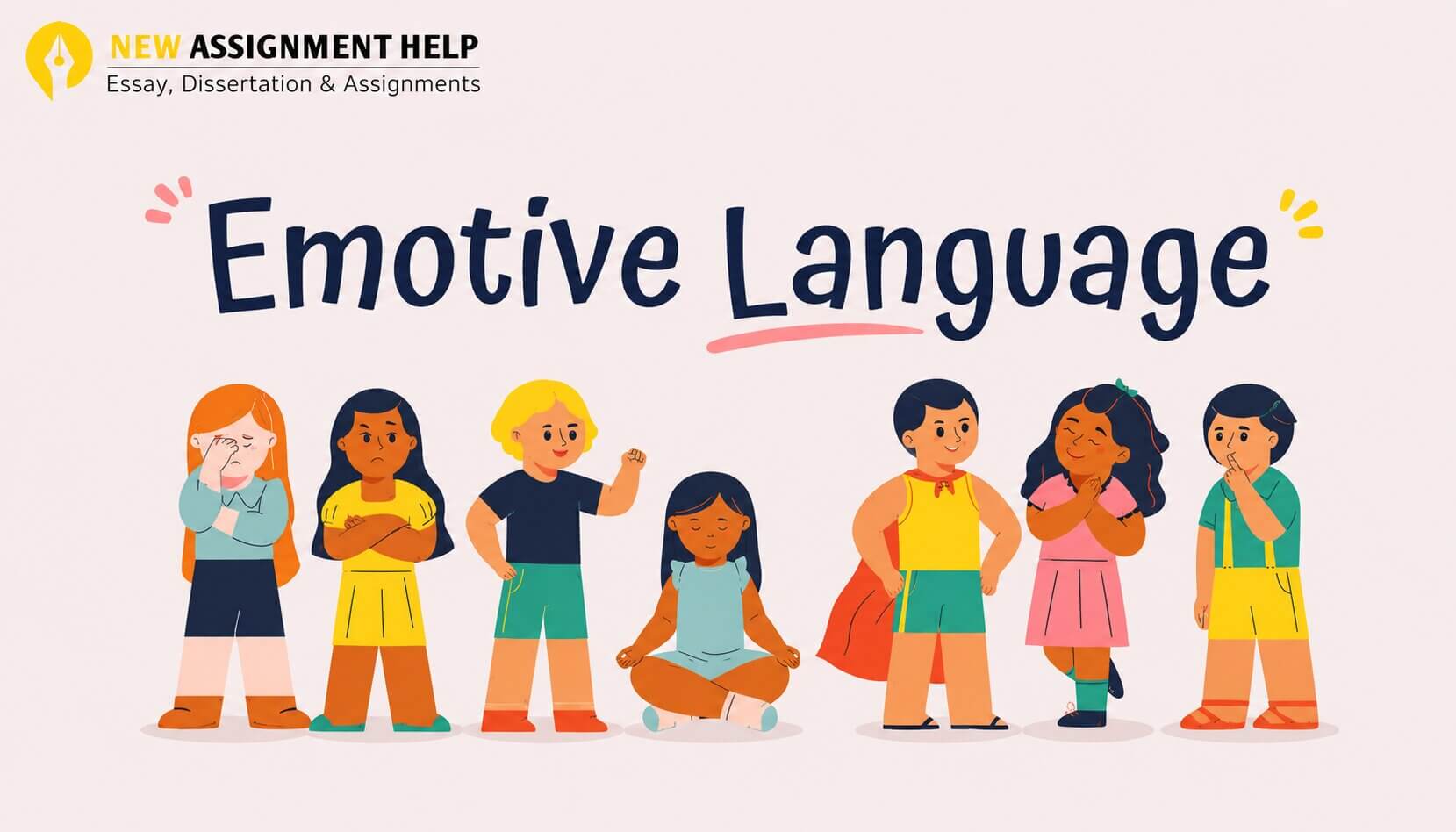
Emotive languages is a way of evoking emotions through words. Emotive languages features helps in expressing the intent and even the user's feelings. The emotive languages aims to connect people more on an emotional scale and help them better portray their sentiments to others. It could be an adjective adverb or even some emotion like happily.
The writers often use these emotive languages features to create an emotional bond among their readers or listeners. This emotional bond then helps people to look at things from the writer's point of view. Hence, the professors also suggest their students use emotive languages in their writing. This allows the readers to understand and then persuade them to agree to the student's arguments too.
The Importance of the Emotive Languages
We have already established the meaning behind the term emotive languages. But is it necessary to use it? Well, the importance of emotive languages can be understood through the following points.
- Capture attention: The most important aspect of using emotive languages is that it allows the author and speakers to capture the attention of their audience. This happens due to the author's emotions being spread among the audience through the use of emotive languages.
- Connect and Influence: Emotions are a powerful weapon. Many leaders in history have used the emotions of their public to connect with them on a deeper level. This allowed them to share their ideals and goals with others and then influence them. Martin Luther King and Queen Elizabeth I are great examples of such leaders. We will look through their examples deeply in the blog too.
- Persuade others: Another aspect that shows the importance of emotive languages is persuasion. What makes people agree with others? It's their emotions and it's this very part that the emotive languages also uses. By using people's feelings and emotions, others can persuade them.
- Makes it memorable: Do you remember some book or article and can't seem to forget a line from it? What made that one line so memorable? The answer is obvious, it's the emotions. The emotive languages as mentioned already makes people pay attention, connect with them and then influence them. All of this results in a memorable result that others will remember again and again.
Emotive Language: A Way to Express
There are more than 7 billion people in the world and more than 7000 languages are spoken throughout the world. Australia similarly has English as its national language but it still has more than 300 other language speakers too all of which help people express emotions.
Emotive Language might differ in the way that they portray something to the reader and listener. However, they all have some things in common amongst them such as emotive language features, adjectives and even the way they help people in expressing their feelings. Today we will look through one of these aspects in this blog.
Emotive language is a term that is used for words or phrases that express feelings. These words help the writers to express their intent better and for the readers to understand the writer's meaning too. They also help portray emotions and feelings through the text which makes them a very important part of the literature.
The applications of emotive languages are common among people of all ages from texts to speech. However, whether it be students or even grown adults they all have issues applying emotive languages. It is for this very reason that New Assignment Help Australia has made this blog to explain the ins and outs of emotive languages and its uses. So let's get right into it.
Emotive Language vs. Non-Emotive Language Comparison
Here we have given some examples to showcase the difference between a line with and without the use of emotive language. We shall look through some historical examples in the further parts of the blog too but first, let's look at some common ones.
Non-Emotive language: Marrie came home tired from her work.
Emotive language: Marrie came home exhausted from her work.
Non-Emotive language: His Dog is great.
Emotive language: His Dog is Lovely.
Non-Emotive language: He is an important part of our team.
Emotive language: He is vital to our team.
Where is the emotive language used?
Now that the readers are aware of the importance of emotive language the next main question would be where it is used. Well, we have already given some small hints about the use of emotive language. However, let's dive in depth now and take a look at a few ways in which emotive language is used in society.
Narrative
The most obvious use of emotive language is obviously in the narrative writing. The authors all wish to connect with their readers more and make their text more meaningful and memorable to them. And emotive language helps with that. Every author uses emotive language starting from simple adjectives to whole stories that are based on some emotions such as revenge-driven novels.
Motivations
Motivational speeches and texts are another way that people use emotive language. What can motivate a person the most? If you think money then it's not always true. Many of the team leaders, office workers and even the political leaders understand that the best way to motivate the people is by provoking their emotions. And emotive language is the best way to do so.
Marketing
The most common use of emotive language that you would notice would be in the marketing sector. Every great marketing campaign has targeted people's emotions and hence it was successful. The advertisements you see on television always try to target the emotional points of the psyche like using muscle growth and showing a fitness model to promote protein powders. Such examples are common and you can notice them easily if you pay attention.
Journalism
The title makes it obvious but let's take an example to understand the role of emotive language in the journalism field. Imagine there are two news lines, “A man was injured in bar brawl”. Or “ An innocent Man caught a stray in a bar brawl and is now seriously injured.” The terms innocent and serious would make the new headline more catchy making more people pay attention and remember it.
Some famous emotive language examples
We have talked about famous speeches and examples many times in this article. Now that the readers have a better understanding of the emotive language let us look and you should try to spot them.
Emotive Language Example 1 - The Famous speech of Martin Luther King
“I have a dream that one day even the state of Mississippi, a state sweltering with the heat of injustice, with the heat of oppression, will be transformed into an oasis of freedom and justice.”
Here he started the speech with “My Dream” to showcase his goals that connected him to people. Then he compared the conditions of the people in Mississippi, their ‘Injustice’ and their ‘oppression’ with Heat, something that everyone hates. Then he proclaimed that he wished to transform it into an ‘oasis’. This created a connection between the heat of injustice and his dream of justice. The word ‘freedom’ alone sparked a lot of hidden emotions in the people who had been suffering for years.
Emotive Language Example 2 - Speech of Queen Elizabeth the first
Another great example of emotive language use is in the speech of the great Queen Elizabeth to the soldiers in Tilbury back in 1588.
“My loving people..."
We have been persuaded by some who are careful of our safety to take heed how we commit ourselves to armed multitudes, for fear of treachery. But I assure you, I do not desire to live to distrust my faithful and loving people.
"Let tyrants fear...”
In the situation of distrust and fear amongst the soldiers in Tilbury, the queen not only assured them of the trust she had towards them but also cleared any doubts they might have had. Then the domineering words “Let tyrants Fear” created a morale boost for the soldiers giving them a burst of energy.
Emotive Language Example 3 - Give Me Liberty, or Give Me Death!" by Patrick Henry
“I know not what course others may take, but as for me, give me liberty, or give me death!”
In this speech, Patrick Henry mentions how Great Britain was unwilling to let them gain their freedom by not allowing the colonies to reason with them. His sentiments were further portrayed by his powerful exclamations about his need for freedom. This declaration uses powerful, emotive language to convey his deep commitment to freedom and a willingness to fight for it. These sentimental emotions are an example of the emotive language in the scenario which also made it into a historical moment.
Emotive Language Example 4 - "The Gettysburg Address" by Abraham Lincoln
"Four score and seven years ago our fathers brought forth on this continent, a new nation, conceived in Liberty, and dedicated to the proposition that all men are created equal.”
Delivered on November 19, 1863, this speech by Abraham Lincoln was dedicated to more than 50000 fallen soldiers in the Battle of Gettysburg. Terms like “our fathers” evoke a sense of unity amongst the listeners signifying their shared origin. Furthermore, his speech ended on the note that the United States will be a country where all are treated equally. Overall, Lincoln’s address uses emotive language to honour the sacrifices of soldiers and emphasise the principles of equality and democracy.
Emotive Language Example 5 - "A Tale of Two Cities" by Charles Dickens
"It was the best of times, it was the worst of times...”
Dickens opens his novel with this famous line, using contrast and emotive language to set the tone for the turbulent period described in the book. Moreover, the novel is set in the turbulent times of the French Revolution and contains many literary devices such as foreshadowing, pathos, and even symbolism to arouse the emotions of the readers. Whether it be the heroic sacrifice of Sydney Carton, the sufferings of the peasants, or the feelings of the suffering of characters like Dr Manett and Lucie, all touched the readers deeply. It clearly showcased how the lives of the rich and poor differ during the turmoil and how societal injustice shows during times of upheaval.
Emotive Language Example 6 - "The Declaration of Independence" by Thomas Jefferson
We hold these truths to be self-evident, that all men are created equal, that they are endowed by their Creator with certain unalienable Rights, and that among these are Life, Liberty, and the pursuit of Happiness.
Jefferson used emotive language to articulate the core values of the new nation and inspire support for independence. Moreover, this declaration denotes the reasons why the United States wished to separate itself from Great Britain. Here the terms used also evoke strong emotions of unity and freedom among the listeners which makes the moment all the more historical. Alongside it were the strong grievances against King George III and appealing to the reason of the people by the mention of the “creator giving the rights to life, liberty and pursuit of happiness." This declaration signified freedom which inspired many revolutions in the world too.
Connotations and Emotive Language
Another important segment that you need to understand is connotations. Connotations are words that showcase a meaning other than the literal meaning they have. They are sometimes called double-meaning words and terms. Their implied meanings make them a great addition to emotive language.
These connotations have a great synergy with emotive language. For example, a famous quote from Queen Elizabeth,” I have the heart and stomach of a king, and of a king of England too,”. Here the terms heart refer to the heart of the king, the king's spirit and ambitions to rule and protect their people. “Stomach” on the other hand means courage. From this sentence, she proclaimed that she has both the courage and spirit of a ruler in front of her subjects.

 6 Years | PhD